Contact Us
Media Cymru
Spark, Maindy Road
Cardiff,
CF24 4HQ
Published: December 3, 2025
Go Without Guilt: Family Futures Summit 2025
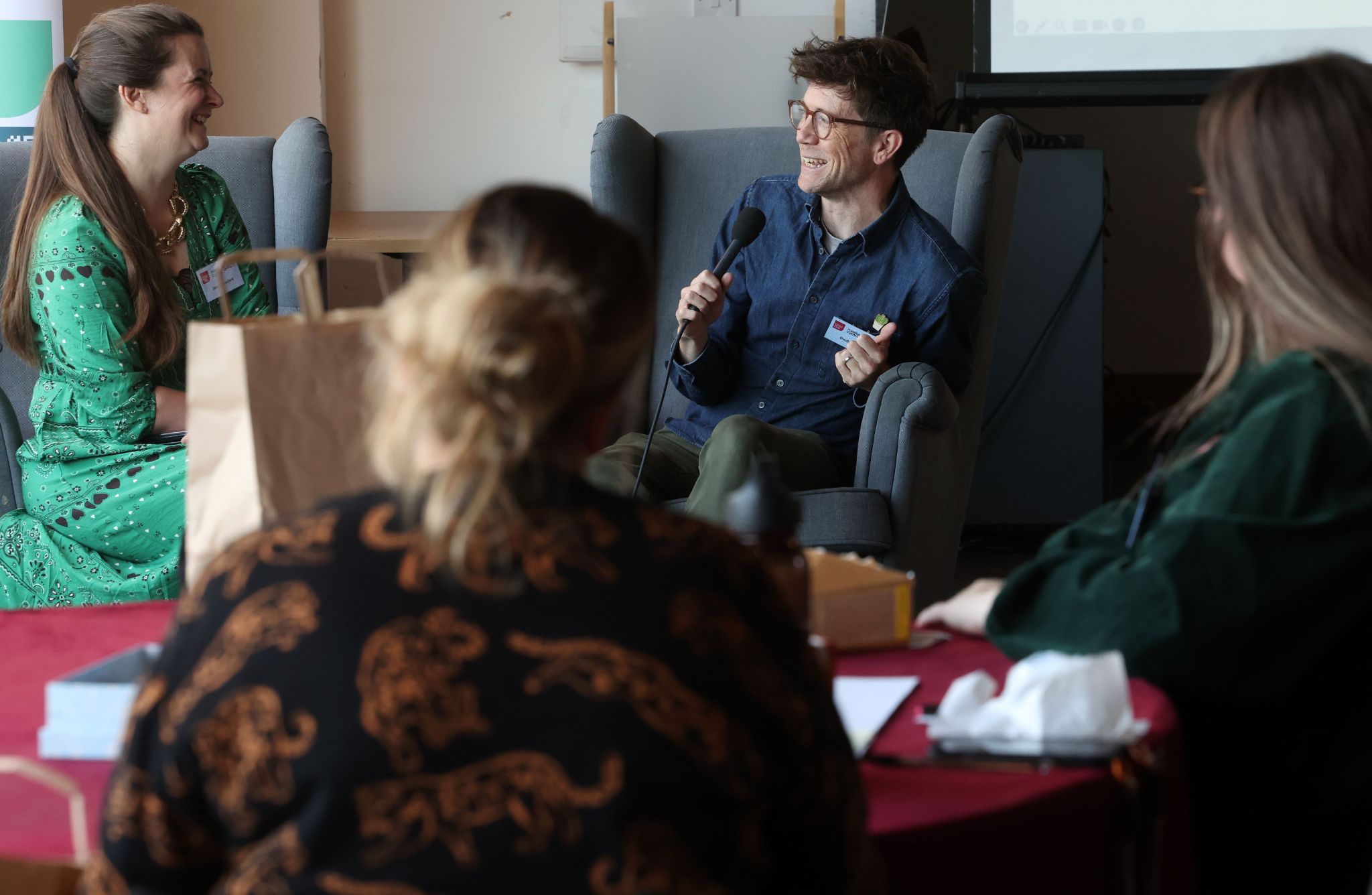
Dr. James Davies (Media Cymru Research Fellow at University of South Wales) writes about the Family Futures Summit, reflecting on the findings, shared experiences and next steps.
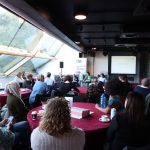
The first Media Cymru Family Futures Summit, hosted by University of South Wales and supported by Media Cymru and S4C, took place at Cardiff Castle in September 2025. The event brought together more than 70 parents working in TV and Film to champion, support and normalise support for parents in a sector that has, traditionally, not been kind to those juggling the pressures of balancing work and parental responsibilities.
Jess Lancashire, Redesign Work Expert and host of the event, shares key themes:
- Community and support: to feel connected and less alone in the sector
- New ways of doing things: to experiment with mentoring, job shares and flexible practices
- Changing the story: to shift how parents are seen, from being a problem to a vital part of the future.
We also hear from independent producers, mentors and freelancers, with a shared vision to drive change for working parents in the screen industries.
Panel 1 – Where We Are
The first session took stock of what guidelines, legislation and support are available for parents, and provided an overview of the UK Employment Rights for Parents:
- All new employees are eligible for unpaid forms of maternal/paternal leave and bereavement leave immediately
- Statutory Pay comes in after 26 weeks of employment
- After 1 year, workers are also eligible for unpaid parental leave
- If you’re a limited company, earn a salary, and have worked in your limited company for 26 weeks, you can pay yourself leave
- When pregnant, you are eligible for a risk assessment
- Flexible work patterns and hours are not an entitlement but are to be expected and encouraged
- You should be given advance notice of any schedule changes.
In conclusion, don’t assume you’re not entitled to something, be it pay, time or support. Investigate your options, because there is support available.
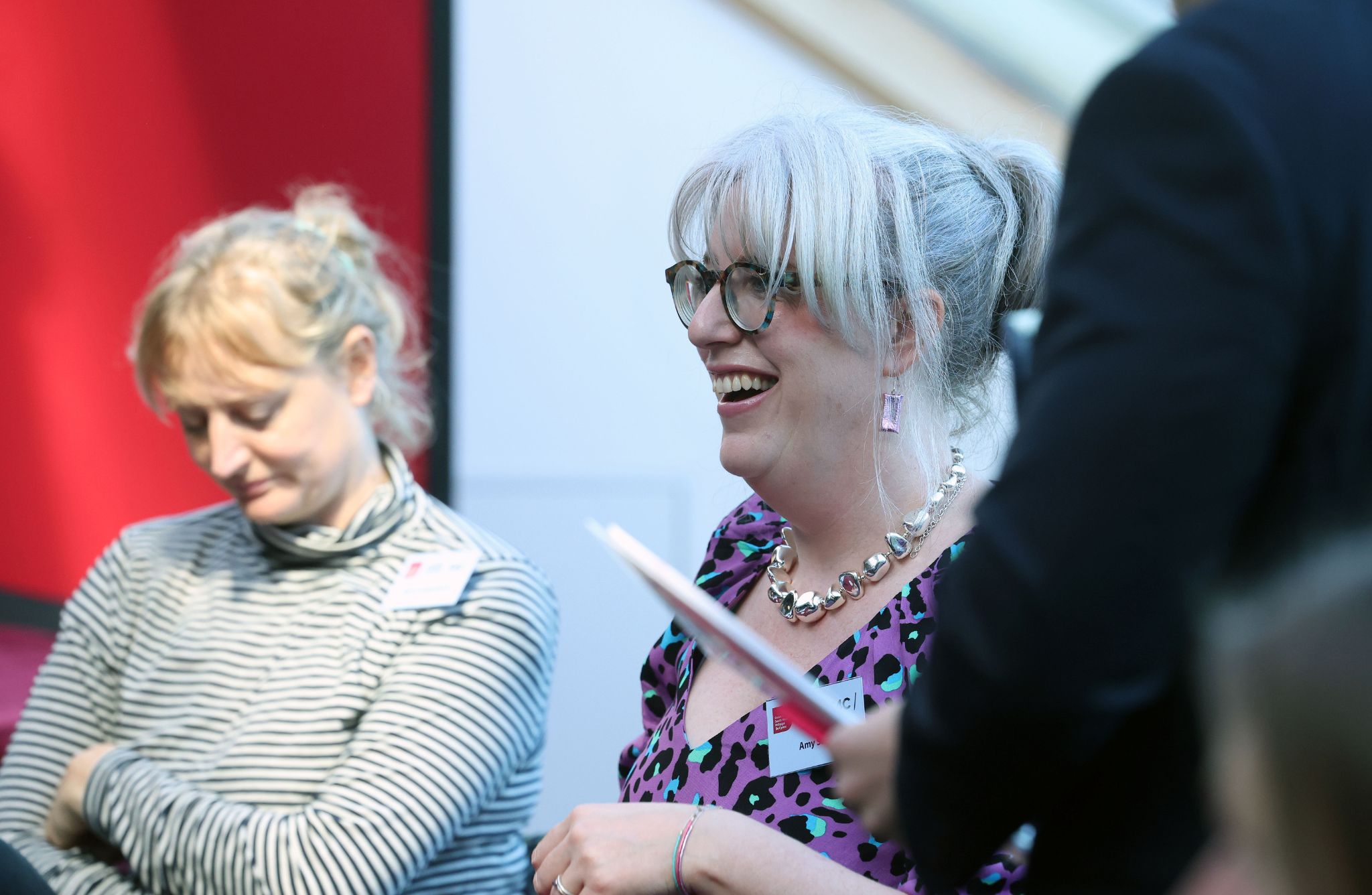
BECTU Cymru’s ‘Lives behind the Lens’ Report found that:
- 56% of respondents admitted parenting duties have made them consider leaving the industry
- Limited Human Resources in temporary production environments exacerbate some of these issues, with only 21% of respondents feeling confident about knowing their rights
- BECTU are available as a resource, without an obligation to progress a case, just to know your rights and where you stand
- BECTU subscriptions are paused during pregnancy, with no cost until you return to work.
Finally, a representative from Triongl – an independent production company based in Cardiff – shared their journey with balancing parental responsibility with a career in TV. Triongl have looked to ways to improve practice. This has included undertaking research on shorter shooting days, with Dr Helen Davies, part of the Triongl team. From a series of interviews, the findings show:
- There’s a mixed desire among crew; not all want it to change
- Cost is the main driver, as reducing hours means more days within the same number of paid weeks, equating to a minor cut in pay
- The impact of shifting to a shorter working day on non-crew roles (cast, locations, suppliers/hires) is around a 15-20% budget uplift.
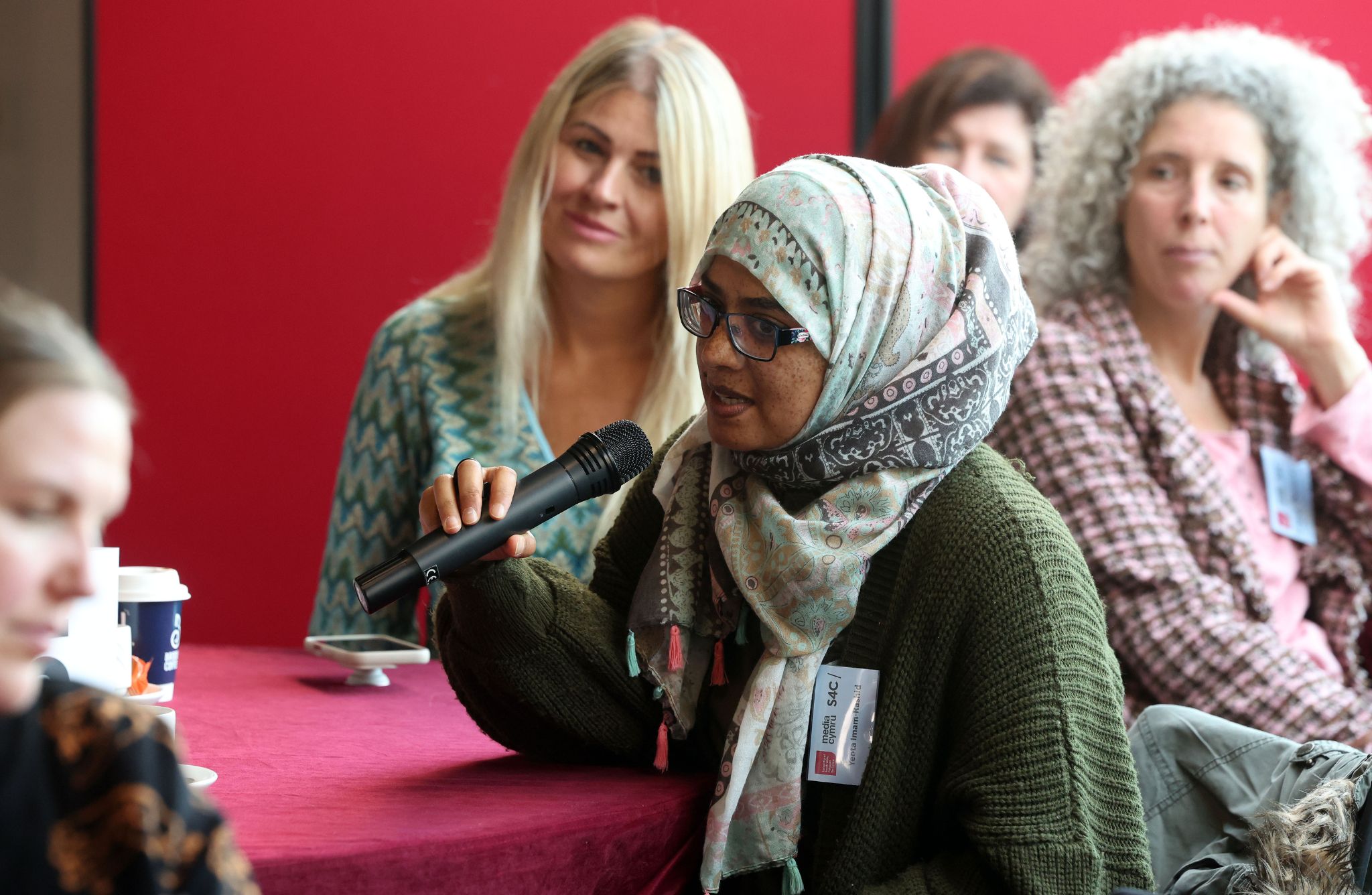
Panel 2: What We’re Trying
For the second panel, a series of speakers spoke about schemes currently underway to improve the support and provision for working parents.
A script supervisor spoke about the Women in TV and Film Mentoring Scheme. A cohort of mentees, from a wide variety of backgrounds and experience, are assigned a mentor for 8 hour-long sessions over one year, driven by the mentee. They noted that not everyone is going to immediately connect with their mentor, necessarily.
A filmmaker spoke about a 6-month job share with another producer on Lost Boys & Fairies. Throughout preparation and production, the speaker and their counterpart worked well together, due to good clarity in tasks. There was allowance for adaptability and flexibility and played to the strengths of the two skillsets of the pair. Crucially, the job share wasn’t viewed as such within the production, rather as just two viable crew members.
And finally as part of the second session, previous participants of Media Cymru’s Reset Programme for Working Parents – a six-week programme designed for parents to ‘transform their relationship with work’ – were invited to offer some reflections on their experience:
- Sessions were effective at ‘honing ambition’, and a particularly good introduction to differing attitudes upon returning to South Wales after working in London.
- Carving out time to ask questions was extremely valuable. Workers were encouraged to go through the company handbook. More clarity is needed on maternal side of support, as paternal is better catered for.
- The tips for when things get too much, such as taking moments to manage stress, were effective, and that sharing the experience with like-minded others was very reassuring and helpful.

Panel 3: Who We Are
The third panel provided a safe space in which parents were able to share their own stories. We heard from a mother who continued to develop her career, balancing the new responsibilities of parenthood and career after childbirth, while the husband stayed at home to care for the child. We also heard from an adoptive parent trying new and different ways of working as new projects come up, and a mother who still finds time for creative work, while being the parent to four children.
Panel 4: Where We Go Next
The final panel of the day was looking ahead to the future, and hearing about methods and strategies for continuing to build on the great work already underway to further normalise and support screen sector parents.
Topics included how fatherhood impacts one’s thinking, shifting perspectives and taking new projects to fit with new responsibilities, moving from working predominantly with younger filmmakers to more of a mix, with a greater sensitivity to the needs of parents, and flexible teams. Exposing younger people to work alongside parents, and see the different ways of working, is a possible route to provoking an overall shift in the industry culture, and building a cross-generational understanding.
BECTU Vision in Scotland, provided a rundown of the initiatives available from BECTU Vision:
- TakeTwo Job Sharing: Offering job share support and opportunities
- Flexible Working Fund: funding for productions in Scotland to trial alternative and more flexible ways of working
- The BECTU Vision Playgroup
- Flexible Working online drop-in sessions
- Flexible Working Checklist: A checklist of practical actions for flexible working arrangements that HoDs can take when crewing up
- The Flexible Working Report: Research on shorter working hours found that around shifting away from the standard 11 hour working day would cause a 4% increase to cost of productions, that 98% of freelancers wanted a shorter working day, and 70% of those prepared to pro rata their rates to do so.
More continuity and structure in funding are needed, a more consistent provision of initiatives, supported by buy-in at all levels.
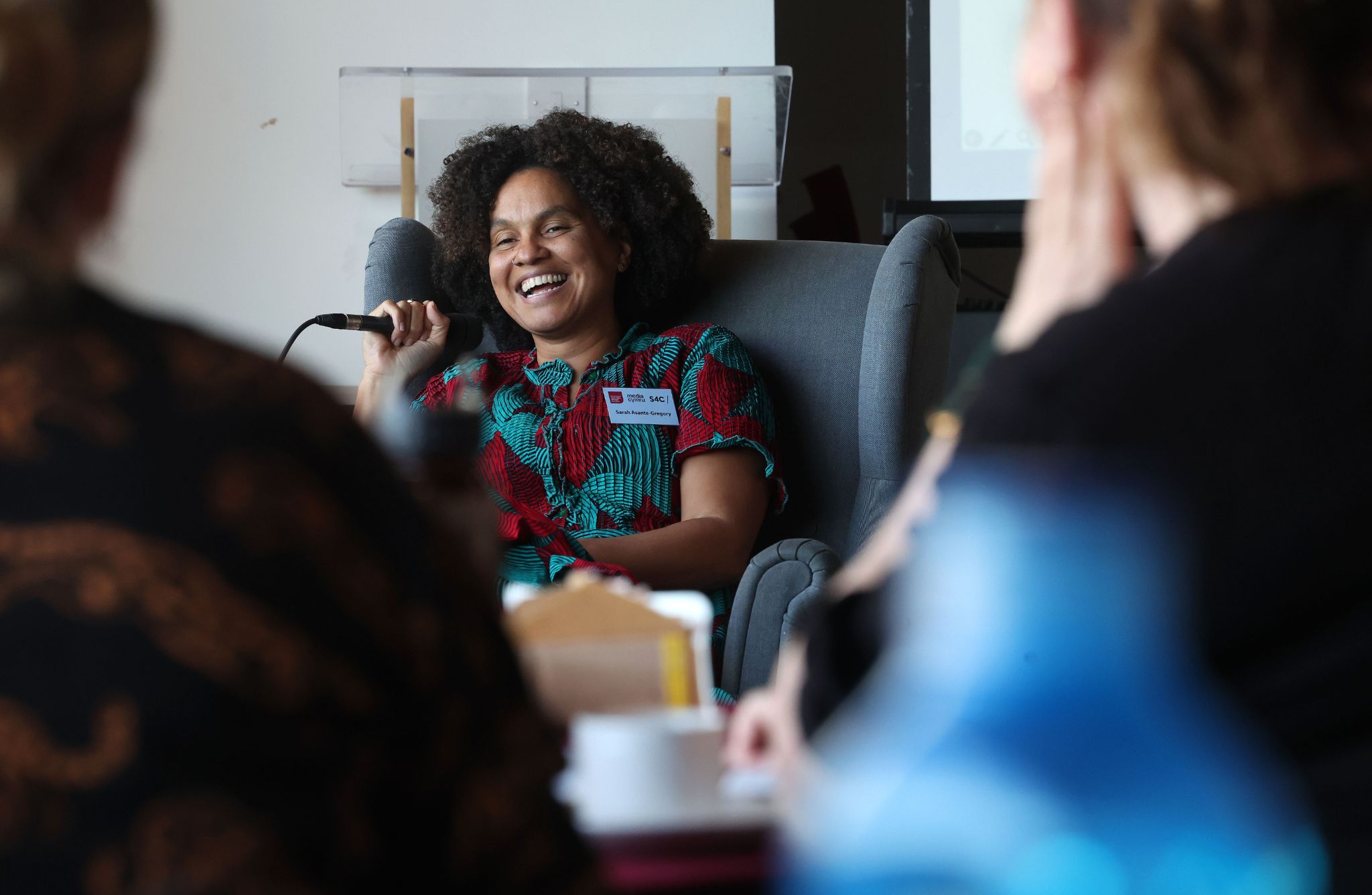
Where are the greatest opportunities?
In the final reflective session, the eight tables in attendance were asked to think about where the greatest opportunities for better support for working parents could be found.
To summarise, tables discussed:
- Legislative change, and equality for men and non-birthing partners
- Looking to parents in industry, especially Heads of Department, setting an example
- Flexible working patterns, such as shorter production days
- Challenges of childcare and wanting flexible and affordable options
- More signposting and awareness of funding should be available
- BECTU Vision initiatives in Scotland are much wanted in Wales
- Importance of community and communication to those entering the industry, bringing children in earlier to show them nature of the work
- The great potential of job sharing.
Additionally, all the attendees were asked for their own thoughts, which are available on the Family Futures Summit website.

Conclusions
During some closing reflections, it was stressed that small wins are key. Job shares have been very successful, but it remains a real challenge to support people returning to the industry. There is great value in being able to identify specific needs ahead of productions, and a safe space and open dialogue with a Head of Department is a good starting point. Finding ways to start the conversations about well-being, and childcare and parental support is a part of that.
The Family Futures Summit provided an opportunity to take stock and offer clarity on what was legally obliged to be provided by employers to parents, the great work already going on with mentoring, training and job-sharing opportunities, and the exciting potential of future directions, with regards to supporting screen sector parents, in South Wales and beyond.
Ultimately, it was agreed that career and parenting shouldn’t be a choice between the two. This sparked a wider conversation around collective action, and the need to shift the pervading working culture. Legislative change is possible to change pervasive practices due to collective will and industry pressure, but in a ‘normal’ environment, it’s often too slow. However, the rapid pivot to flexible working during the beginning of the COVID-19 pandemic has proven that when the need arises, the industry can be agile. Proving a growing need, putting pressure and advocacy to shift underlying cultural trends within TV and Film should not be abandoned, in the face of only incremental change. Screen sector parents need to be able to ‘Go Without Guilt’, or you’re no good at either job.
Next Steps
The Family Futures Summit was the creation of USW’s Sally Lisk Lewis and Redesign Work Expert Jess Lancashire. The team is now:
- Working with parents to define the priorities for change
- Convening employers and partners to develop solutions to the challenges parents told us matter most
- Launching a resource hub and events programme to connect parents with support, tools and opportunities
- Tracking and sharing impact to build the case for change.
For resources and updates, visit the Family Futures Summit website and follow on LinkedIn. You can also sign-up to Media Cymru’s newsletter for future training opportunities and updates.




Dr James R Davies is a Research Fellow at the Faculty of Business & Creative Industries at the University of South Wales. His research focuses on the creative industries, particularly Film and Television, Music and Video Games, concentrating on organisational forms, informal methods of control and freelance workforce perspectives towards innovation, environmental sustainability and working culture.